
Find out what to ask after a breast check in Nigeria, how to follow up on results and how health NGOs can help women arrange their next appointment.
By Onyekachi Maxwell-Ahunanyah, Executive Director, Everight Healthcare Foundation
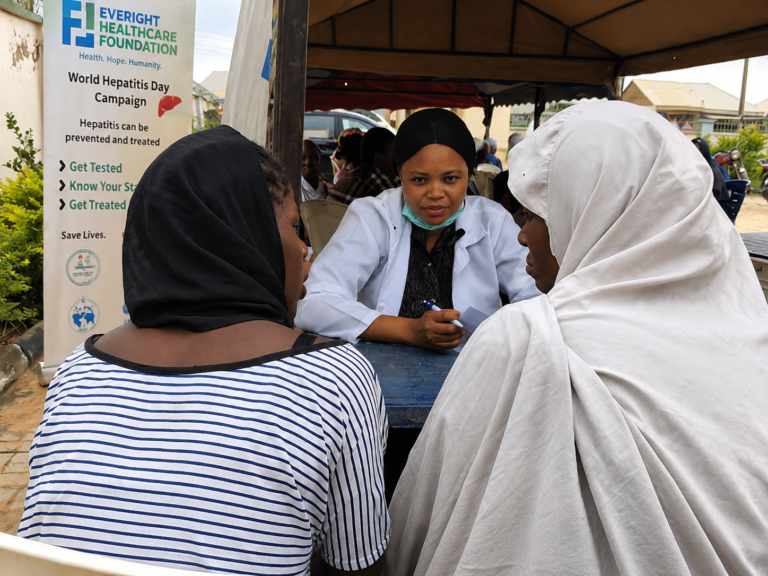
If you go for a breast check and the clinician recommends another test, you may leave with more questions than you arrived with. What did they find? How soon should you go for the test? What will it cost? If getting to a clinic means paying for transport or taking time away from work, those answers matter before you set off again.
At Everight Healthcare Foundation (EHF), we have agreed on a standard for our outreach work. Every woman should leave knowing what was checked, what the health professional advises her to do next and who can help her take that step.
What should you ask after a breast check?
Give yourself time to ask these questions in your own words.
- What did you find today? Ask the clinician to explain what the check showed and what questions are still open.
- If I need another test, what is it for, and how soon should I go? Ask where you can have it, whether you need an appointment and what it may cost.
- How will I get my results? Find out when to expect them, who will explain them and who you can call if you haven’t heard back.
You may also have a question you would rather ask in private. The people organising the outreach should make room for that conversation.
Why does follow-up matter in Nigeria?
According to a 2021 study by Milena Foerster and colleagues in the International Journal of Cancer, half of the Nigerian women who took part waited 5.6 months or longer between first noticing a breast symptom and receiving a diagnosis. That figure covers the whole journey, including the time before a woman first sought care. It describes the women in the study.
The International Agency for Research on Cancer estimated 32,278 new breast cancer cases among women in Nigeria in 2022. That was about four in every ten new cancer cases among women in the country that year. For a foundation working in early detection, one part of this wider challenge is within reach: helping a woman who has already come forward understand what to do next.
How can health NGOs make follow-up easier?
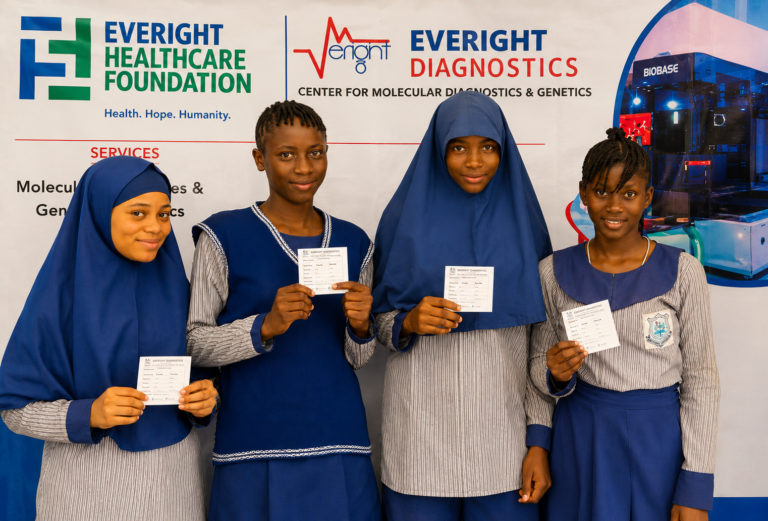
In October, EHF partnered with Everight Diagnostic & Laboratory Services to encourage women to attend breast checks. For organisations planning similar outreach, I would start with one practical decision: agree with the clinical partner on who will help a woman arrange a further test if she needs one. EHF’s October breast screening partnership
Before the outreach, someone can call the clinic that will receive referrals and check its booking process, current fees and what patients need to bring. Knowing that a clinic sees patients by appointment can spare a woman a wasted journey. The World Health Organization calls this practical help finding and following up care patient navigation. Its guidance shows that this support can shorten the time it takes to reach a diagnosis.
After an outreach, I would put one question alongside the attendance figure: Of the women advised to get another check, how many were able to go? With a woman’s permission, a follow-up call can reveal a difficulty the attendance register will never show. Perhaps the fee was higher than she expected, or the number she was given went unanswered. Either answer gives the foundation and its partner something specific to put right.
If you are preparing for a breast check, take your questions with you. If you are organising one, decide in advance who will answer them and who will be available afterwards. That is a commitment we can plan for before the first woman arrives.